TwinShip Consortium Podcast 4 with Lokukaluge Prasad Perera
|
🚢 TwinShip Interview: Building Trustworthy AI & Digital Twins for a Smarter and Greener Shipping Future! 🌍 How can Digital Twins, Artificial Intelligence (AI), secure data sharing and Decision Support Systems (DSS) transform the maritime industry towards a more sustainable future? 🎙️ In a recent TwinShip Horizon Europe project interview, Professor Lokukaluge Prasad Perera, Project Coordinator from UiT The Arctic University of Norway, shared insights into the project's development, technological innovations, current achievements and future vision for AI-powered maritime digitalisation and decarbonisation. 🔹 🔐 Building Trust Through Secure Data Sharing 🔹 🚢 Developing Advanced Digital Twins 🔹 🧠 Integrating Generative AI with Digital Twins 🔹 📊 AI-Powered Decision Support for Decarbonisation ✅ Weather Routing – Optimising voyages to improve fuel efficiency and reduce emissions. ✅ Life Cycle Cost Analysis (LCCA) – Evaluating future technologies, retrofits and investment returns. ✅ Environmental Impact Assessment (EIA) – Assessing emissions and the environmental benefits of alternative technologies. 🔹 🤝 Trustworthy Research–Industry Collaboration
|
|
|
🔹 🎓 Human-Centred AI and Future Skills 🔹 🌐 Open-Source Innovation for European Shipping 🌱 Beyond Technology: A Greener Maritime Future The ultimate objective is not simply to digitalise ships, but to develop more energy-efficient maritime operations, reduce greenhouse gas emissions, support innovation, strengthen European competitiveness and contribute to a more sustainable society. 💡 The future of shipping lies in combining classical maritime engineering, reliable operational data, trustworthy AI and human expertise. 🚢 TwinShip aims to become a guiding light in the maritime industry's digital and green transition! |
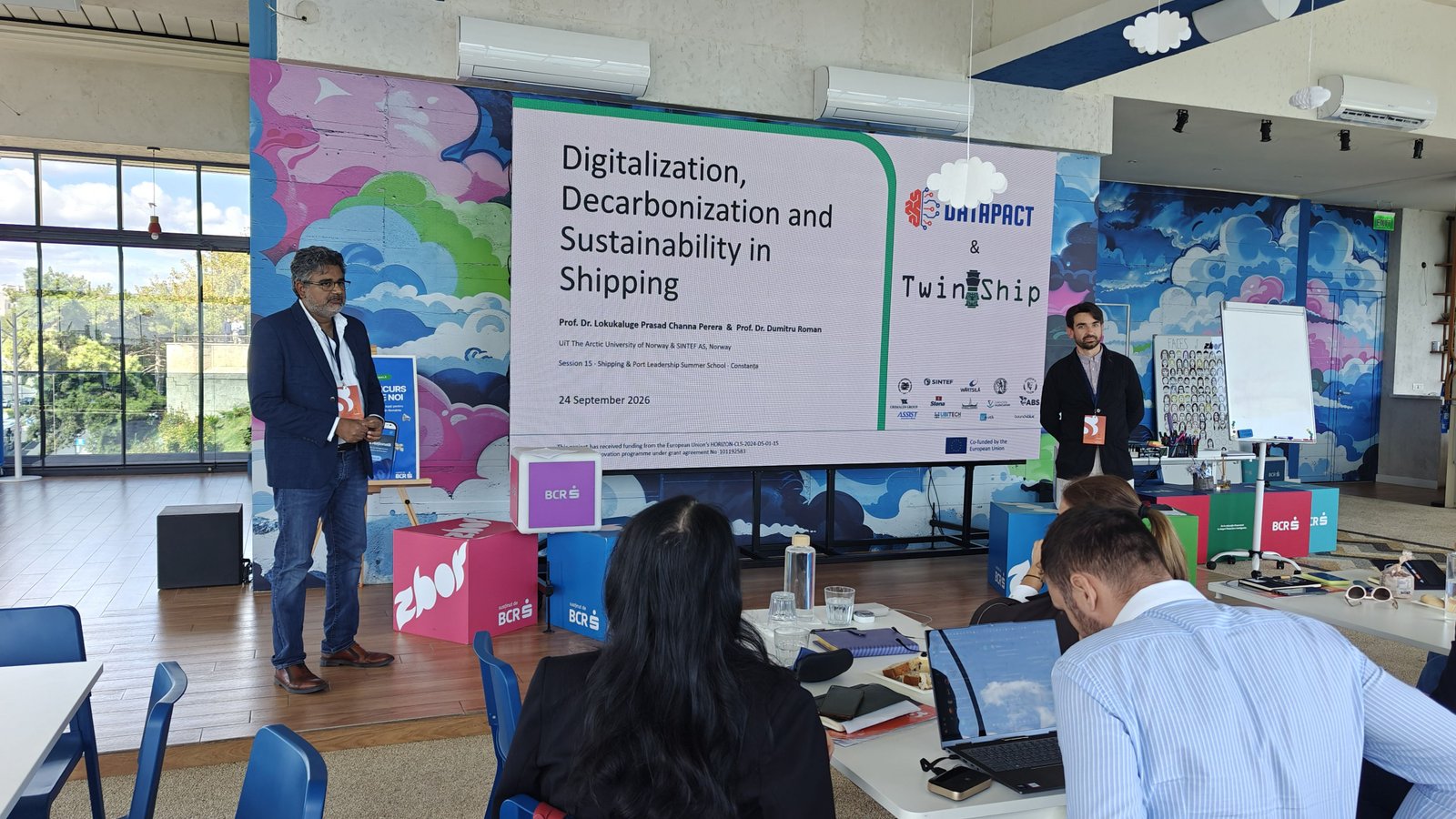
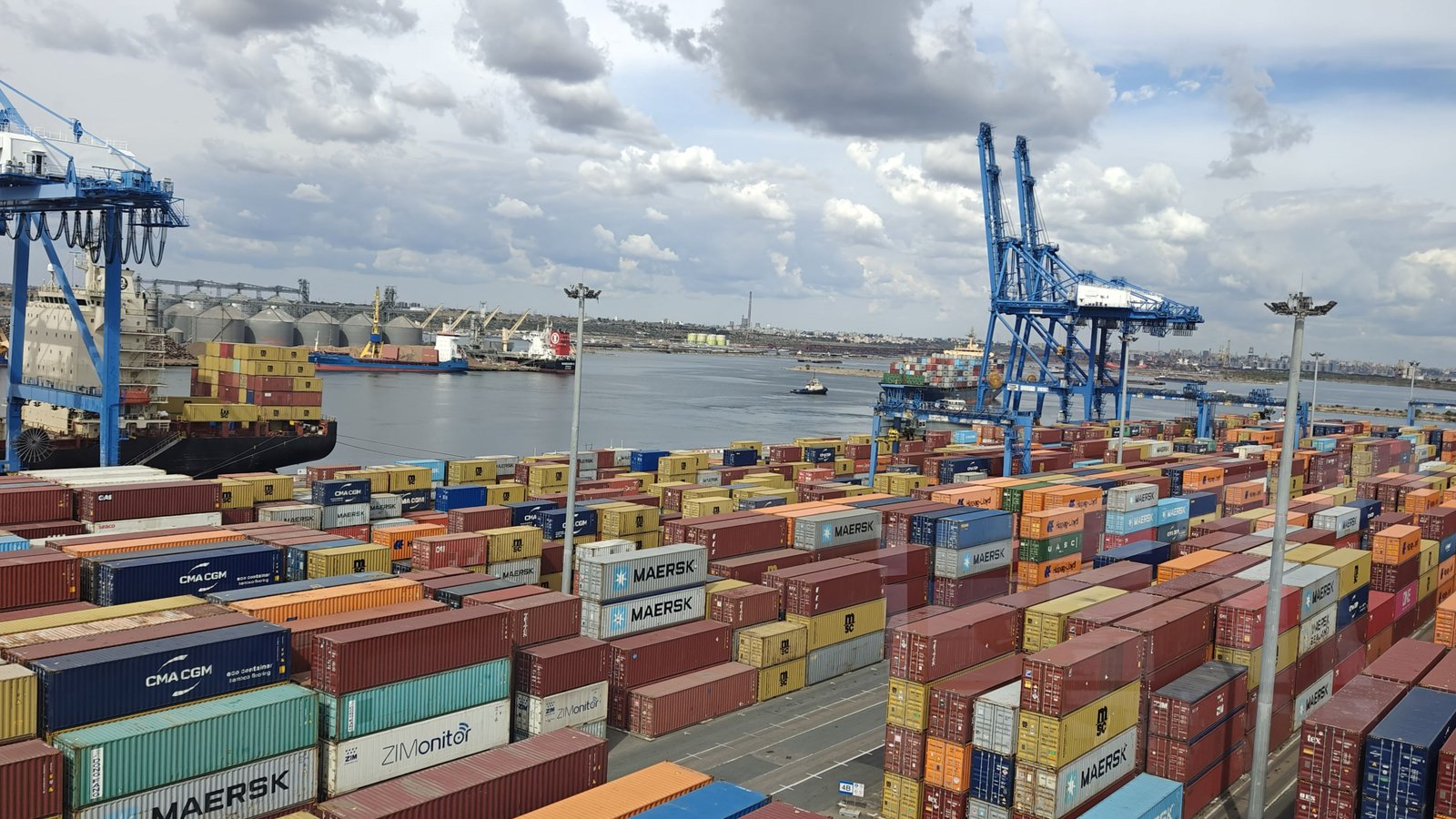
TwinShip & DataPACT Horizon Europe projects at the Shipping & Port Leadership Summer School 2026
|
🚢 TwinShip Consortium & DataPACT project at the Shipping & Port Leadership Summer School 2026 Port of Constanța, Romania 🌍⚓ URL: https://bbs.ase.ro/programs/executive-certificates-master-classes/shipping-port-leadership/
|
 |
 |
TwinShip Consortium Podcast 3 with Kostas Belibassakis
| 🚢 TwinShip Interview: Where Physics Meets AI for Smarter and Greener Shipping How can the maritime sector combine traditional naval architecture, Digital Twins, Artificial Intelligence and real vessel data to make better decisions for future ships? In a recent TwinShip interview, Professor Kostas Belibassakis from the National Technical University of Athens (NTUA) shared his insights on how physics-based engineering and AI can work together to support safer, more efficient, and lower-emission shipping. 🌊 Hydrodynamics remains the foundation Understanding how a vessel interacts with water, waves and propulsion systems is essential for predicting resistance, power demand, manoeuvrability and overall performance. 📊 The big change: huge amounts of vessel data Modern sensors, telemetry and data-processing systems are transforming naval architecture. Operational data can now be combined with physical models to improve predictive capability and support smarter decisions. 🧠 AI should not replace physics — it should work with it Purely data-driven models may struggle when ships encounter unexpected or poorly represented conditions. TwinShip therefore explores physics-based and physics-informed Digital Twins, where engineering knowledge constrains and strengthens AI predictions. 🔹 Digital Twins as the foundation of Decision Support Digital Twins can support both short-term voyage decisions and longer-term strategic decisions involving vessel performance, future technologies, retrofits and lifecycle operation. ⚙️ Testing technologies on real vessels Within TwinShip, NTUA has developed prototype Digital Twins combining vessel design and operational data to assess alternative fuels, propulsion options, and emission-reduction potential. |
|
| 🌱 There is no single solution for decarbonisation Their effectiveness depends on the vessel, route, and operating conditions, so the best technology can vary significantly between ships. 🎓 The naval architect of the future will need new skills Future maritime engineers will increasingly need knowledge of statistics, probability, data assimilation, algorithms and programming, while still maintaining a strong foundation in hydrodynamics, propulsion, CFD and ship design. 🤝 The real opportunity lies in closing the gap between engineering and data science. 🚢 TwinShip is helping build that bridge — combining physics, real-world vessel data and AI to give shipowners stronger evidence for selecting future fuels, technologies and operational strategies. 🌍 Physics tells us how ships should behave. Data tells us how they actually behave. AI can help connect the two. |
TwinShip Consortium Podcast 2 with Demetres Armanes
| 🚢 TwinShip: Building Trust, Safety & Intelligence into the Digital Future of Shipping As shipping moves toward Digital Twins, Artificial Intelligence, advanced automation and alternative fuels, one question becomes increasingly important: 👉 How can we innovate while keeping safety, trust and human understanding at the centre? In a recent TwinShip interview, Dr. Demetres Armanes, Ph.D from American Bureau of Shipping (ABS) discussed how classification societies can support the maritime sector’s digital transformation — from defining requirements and validating new technologies to ensuring that innovation remains practical, reliable and safe throughout a vessel’s lifecycle. 🔹 Digital Twins for smarter decisions Digital twins can provide a virtual reference of a vessel or onboard system, allowing operators to compare actual performance with expected behaviour, identify degradation and support maintenance and operational optimisation. 🔹 Trust depends on uncertainty A digital model does not need to be perfect — but users need to understand its limitations and how uncertainty can influence the decision being made. The acceptable level of uncertainty depends on the operational risk and the purpose of the model. 🔹 AI must operate within a safe envelope AI and advanced automation may bring major opportunities for optimisation, but they should operate within clearly defined and independently protected safety boundaries. ⚠️ “You cannot cross these safety lines.” 🔹 Human understanding remains essential As vessels become more automated, crews will need new knowledge, training and confidence in increasingly intelligent systems. 💡 A powerful message from the interview: 👉 “With understanding comes acceptance.” |
|
Knowing how systems work, how they may fail and how to respond can significantly reduce uncertainty and build trust among seafarers. 🔹 Supporting the green transition 🌱 Smarter and more connected systems can support multi-objective decision-making, including operational efficiency, just-in-time arrival and the transition towards alternative fuels. 🔹 Breaking down onboard data silos 🔗 The interview also highlighted a fundamental challenge: even modern vessels may still have isolated data systems. Future ships need to be designed with stronger digital connectivity and data infrastructure from the beginning. 🤝 TwinShip brings together shipowners, technology providers, researchers, software developers and classification experts to ensure that digital innovation is not only advanced — but also trustworthy, validated and ready for real maritime operations. 🚢 Innovation needs freedom to develop — but safety must remain the foundation. |
TwinShip Workshop on Secure and Trustworthy Data Sharing and Processing.
| Secure and trustworthy data sharing and processing in shipping, while ensuring the required levels of safety, security, and confidentiality, remains one of the key challenges facing the maritime community, particularly when developing Digital Twin (DT) solutions and their associated Decision Support System (DSS) applications. To address this challenge, the TwinShip software development team gathered on 10 September at Wärtsilä Sustainable Technology Hub Vaasa, Finland, for a dedicated workshop focused on advancing secure data sharing and software integration through the open-source VesselAI digital platform. | 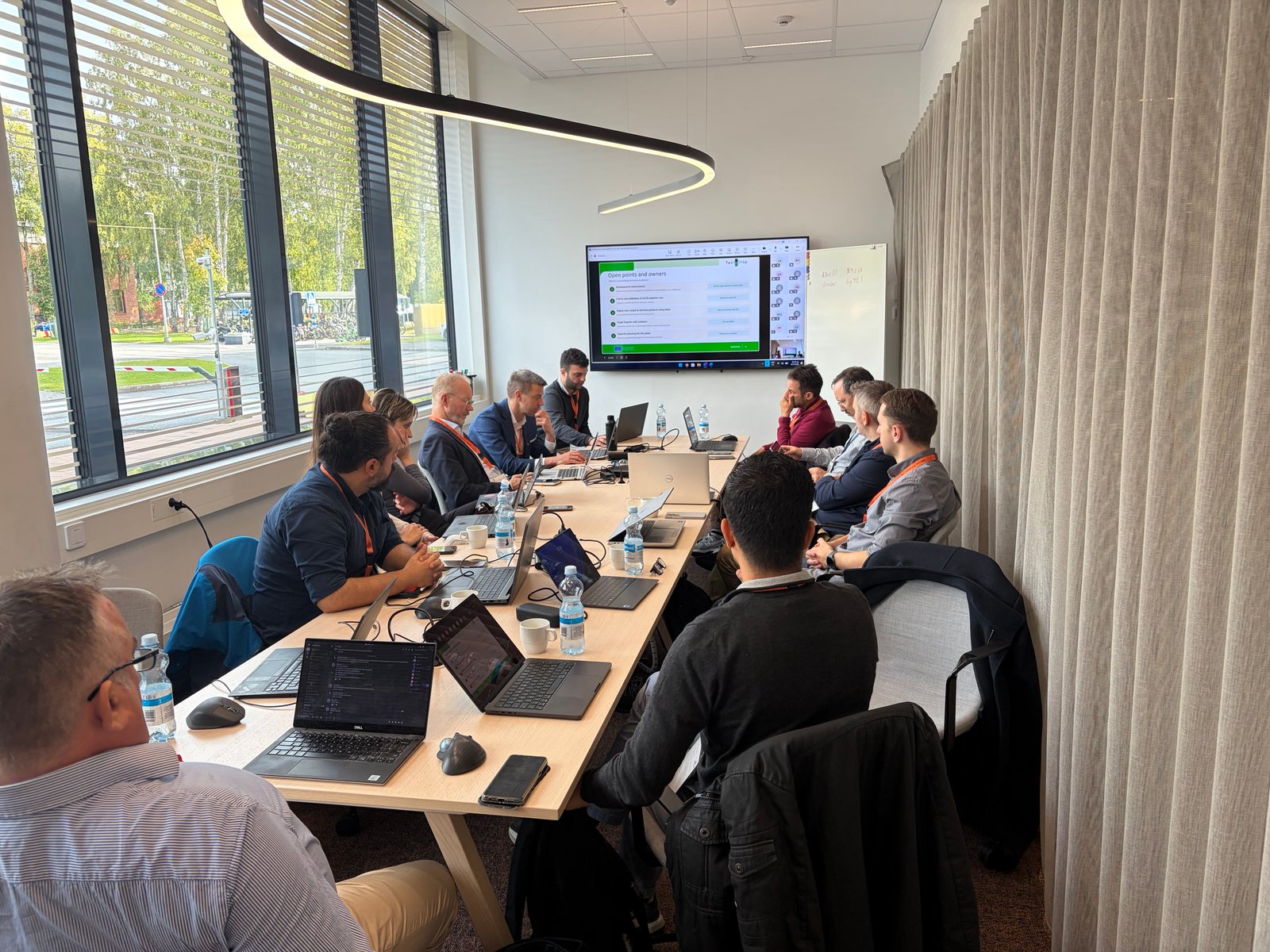 |
More Articles …
- TwinShip Marks 18 Months of Progress at its 3rd General Assembly in Vaasa, Finland!
- VesselAI Platform Workshop – Advancing the Digital Foundation for Smarter Shipping at Wärtsilä Sustainable Technology Hub, Vaasa, Finland.
- TwinShip was presented at SMM Hamburg 2026
- TwinShip Consortium Podcast 1 with Spiros Mouzakitis
Page 1 of 12